Can Pressure Swing PSA be used for both small-scale and large-scale industrial applications?

Pressure Swing PSA is a versatile gas separation technology that has gained widespread recognition for its efficiency, reliability, and adaptability across various industries. One of the most frequently asked questions about PSA is whether it can be effectively applied to both small-scale and large-scale industrial operations. The answer is a definitive yes — PSA technology is scalable and can be tailored to meet the requirements of diverse production volumes, ranging from compact systems for laboratory or medical use to massive installations in petrochemical plants.

What Is PSA?

PSA is a process that uses adsorbent materials—typically molecular sieves, activated carbon, or zeolites—to separate specific gases from a mixture under varying pressure conditions. The process works by adsorbing target impurity gases when pressure is high and desorbing them when pressure is reduced, allowing for cyclic regeneration of the adsorbent material without requiring extensive heating or cooling. This mechanism makes PSA an energy-efficient alternative to traditional cryogenic distillation or chemical absorption methods.

PSA in Small-Scale Applications

Small-scale PSA systems are widely used in settings where modest quantities of purified gas are needed. Examples include:
  • Medical Oxygen Concentrators: Portable or home-use devices that generate oxygen-enriched air for patients with respiratory conditions. These systems typically operate at low flow rates and are optimized for reliability, quiet operation, and minimal maintenance.
  • Laboratory Gas Generators: PSA is used to produce high-purity nitrogen, hydrogen, or zero-air for analytical instruments such as GC-MS, LC-MS, and ICP spectrometers. These generators offer a cost-effective and safe alternative to gas cylinders.
  • On-Site Nitrogen Generators: Small businesses, such as electronics manufacturers or food packaging facilities, use compact PSA units to produce nitrogen for inerting and preservation processes.
These small-scale systems are characterized by their modular design, low footprint, and ease of installation, making PSA highly accessible even in space-constrained environments.

PSA in Large-Scale Industrial Applications

Conversely, PSA technology is equally capable of handling large-volume gas demands in heavy industries. Notable examples include:
  • Hydrogen Production in Refineries: Large PSA units are integral to petroleum refining processes, where they recover high-purity hydrogen from hydrotreating and steam methane reforming off-gas streams. These systems can process tens of thousands of normal cubic meters per hour (Nm³/h) and support critical processes like hydrodesulfurization and ammonia synthesis.
  • Biogas Upgrading: In wastewater treatment plants and anaerobic digestion facilities, PSA systems remove CO₂, H₂S, and moisture from biogas to produce pipeline-grade biomethane (≥97% CH₄).
  • Air Separation for Industrial Oxygen and Nitrogen: Although cryogenic air separation dominates ultra-large capacity needs, PSA remains competitive for mid-to-large scale operations (e.g., steelmaking, glass manufacturing) where moderate purity and lower capital costs are priorities.
Large-scale PSA systems often incorporate multiple vessels, advanced control systems, and automated switching sequences to ensure continuous product supply and optimal performance. They are designed for durability, energy efficiency, and integration into existing plant infrastructure.

Key Advantages Supporting Scalability

Several inherent features of PSA contribute to its scalability across different application sizes:
  1. Modular Design: PSA systems can be configured with multiple parallel modules to increase capacity incrementally, allowing seamless scaling based on demand.
  2. Energy Efficiency: Since PSA operates near ambient temperature and avoids phase changes, it consumes less energy than many conventional separation techniques, especially in smaller applications.
  3. Process Flexibility: Parameters such as cycle time, bed size, adsorption pressure, and number of stages can be adjusted to optimize performance for specific scales and feed compositions.
  4. Low Operating Costs: With no moving parts in the adsorption beds and minimal utility requirements (mainly electricity and compressed air), PSA offers long-term cost savings.
  5. Rapid Start-Up and Shut-Down: PSA systems can be started or stopped quickly, making them suitable for batch processes or intermittent demand scenarios common in smaller operations.

Conclusion

In summary, Pressure Swing PSA is a highly adaptable technology that serves both small-scale and large-scale industrial applications with equal effectiveness. Its ability to deliver consistent gas purity, operational flexibility, and economic feasibility across diverse production volumes makes it indispensable in modern gas processing. As industries continue to seek sustainable, efficient, and decentralized solutions for gas separation and purification, PSA stands out as a proven technology capable of bridging the gap between benchtop innovation and megaplant implementation. Whether powering a life-saving oxygen concentrator or enabling cleaner fuel production at a refinery, PSA proves that good technology knows no scale.

How Diffusion Coefficients Affect the Rate of Chemical Reactions

Chemical reactions are fundamental processes that drive both natural phenomena and industrial applications. The rate at which these reactions occur is influenced by a multitude of factors, including temperature, concentration of reactants, presence of catalysts, and the physical properties of the reacting species. One often overlooked yet crucial factor is the diffusion coefficient, which quantifies how quickly a substance diffuses through a medium. This article explores the relationship between diffusion coefficients and the rates of chemical reactions, elucidating how molecular mobility impacts reaction kinetics.

Understanding Diffusion Coefficients

The diffusion coefficient (D)​ is a proportionality constant that describes the rate at which a particle or molecule diffuses through a medium due to random thermal motion. It is defined by Fick’s laws of diffusion, which mathematically describe how concentration gradients drive the movement of particles. The Stokes-Einstein equation​ provides a way to estimate the diffusion coefficient for spherical particles:
Where:
  • = Boltzmann constant
  • = absolute temperature
  • = dynamic viscosity of the medium
  • = radius of the diffusing particle
From this equation, it is evident that smaller particles, higher temperatures, and less viscous media result in larger diffusion coefficients, meaning faster diffusion.

Role of Diffusion in Chemical Reactions

In many chemical reactions, especially those occurring in liquid or gas phases, the reactants must first come into close proximity​ before they can interact. The rate at which reactants diffuse toward each other​ is governed by their diffusion coefficients.

1. Diffusion-Controlled Reactions

Some reactions are so fast that their rate is limited not by the chemical step itself but by how quickly the reactants diffuse together. These are called diffusion-controlled reactions. In such cases:
  • The reaction rate is directly proportional to the diffusion coefficients​ of the reactants.
  • A higher diffusion coefficient means faster reactant encounter rates, leading to a higher reaction rate.
For example, in ionic reactions in solution (e.g., between H⁺ and OH⁻ to form water), the reaction is often diffusion-limited because the ions move rapidly toward each other due to electrostatic attraction.

2. Activation-Controlled vs. Diffusion-Controlled Reactions

  • Activation-controlled reactions​ are limited by the energy barrier (activation energy)​ that must be overcome for the reaction to proceed.
  • Diffusion-controlled reactions​ are limited by how fast reactants can physically meet​ due to diffusion.
In many cases, especially at high temperatures or in dilute solutions, the reaction is activation-controlled. However, in highly concentrated solutions or very fast reactions, diffusion becomes the limiting factor.

Mathematical Relationship: Smoluchowski Equation

For diffusion-controlled bimolecular reactions, the Smoluchowski equation​ describes the reaction rate constant () as:
Where:
  • = Avogadro’s number
  • = diffusion coefficients of reactants A and B
  • = radii of reactants A and B
This shows that the overall diffusion-controlled reaction rate increases with higher individual diffusion coefficients​ of the reactants.
The diffusion coefficients play a pivotal role in determining the rate of chemical reactions by influencing the movement of reactants within a given medium. Higher diffusion coefficients typically result in more rapid reactant mobility, thereby accelerating the reaction kinetics. Furthermore, the interaction between diffusion rates and reaction mechanisms can significantly impact the overall efficiency and yield of chemical processes. Understanding these relationships is essential for optimizing reaction conditions in various industrial applications.

Practical Implications

1. Industrial Catalysis & Reaction Engineering

  • In heterogeneous catalysis, reactants must diffuse to the catalyst surface. A higher diffusion coefficient​ means faster mass transport, improving reaction efficiency.
  • Reactor design​ (e.g., stirred tanks, packed beds) considers diffusion effects to optimize reaction rates.

2. Biological Systems

  • In enzyme-substrate reactions, diffusion influences how quickly substrates reach the active site.
  • Cellular environments​ (e.g., cytoplasm) have varying viscosities, affecting diffusion and thus reaction speeds.

3. Environmental & Atmospheric Chemistry

  • The diffusion of pollutants in air or water​ affects reaction rates with other species, influencing degradation processes.

Conclusion

The diffusion coefficient​ plays a pivotal role in determining the rate of chemical reactions, particularly when mass transport is the limiting factor. A higher diffusion coefficient​ means faster movement of reactants, leading to more frequent collisions and a higher reaction rate. Understanding this relationship is crucial in fields ranging from chemical engineering to biochemistry and environmental science. By controlling diffusion (e.g., through temperature, solvent viscosity, or particle size), scientists and engineers can optimize reaction conditions​ for desired outcomes.

Effects of Physical Activity on Skeletal Density and Porosity

  Physical activity plays a crucial role in maintaining and improving skeletal health by influencing bone density and porosity. Bone is a dynamic tissue that adapts to mechanical loading, and regular exercise can enhance bone mineral density (BMD) while reducing porosity, thereby decreasing the risk of osteoporosis and fractures. This article explores the mechanisms by which physical activity affects bone density and porosity, the types of exercises most beneficial for skeletal health, and the implications for different age groups and populations.
  1. Introduction
  Bone health is maintained through a balance between bone formation (osteoblast activity) and bone resorption (osteoclast activity). Mechanical loading from physical activity stimulates bone remodeling, leading to increased density and reduced porosity. Low bone density and high porosity are major risk factors for osteoporosis, fractures, and mobility issues, particularly in aging populations. Understanding how exercise influences these parameters is essential for developing effective preventive and therapeutic strategies.
  2. Mechanisms of Physical Activity on Bone Density and Porosity
  2.1. Mechanical Loading and Bone Adaptation
  Bone responds to mechanical stress through Wolff’s Law, which states that bone adapts its structure to withstand applied forces. Weight-bearing and resistance exercises generate mechanical strain, stimulating:
  • Osteoblast activity (bone-forming cells), increasing bone deposition.
  • Osteoclast suppression (bone-resorbing cells), reducing excessive bone breakdown.
  This leads to increased bone mineral density (BMD) and reduced trabecular and cortical porosity.
  2.2. Impact on Bone Porosity
  Bone porosity refers to the presence of microscopic pores within the bone matrix, which can weaken structural integrity. Physical activity:
  • Decreases trabecular porosity (in spongy bone) by enhancing mineralization.
  • Strengthens cortical bone (outer dense layer) by reducing microcracks and improving density.
  • Enhances collagen cross-linking, improving bone toughness.
  Sedentary lifestyles, in contrast, lead to disuse osteopenia, where bone density decreases due to lack of mechanical stimulation.
  3. Types of Physical Activity Beneficial for Bone Health
  3.1. Weight-Bearing Exercises
  • Examples: Walking, running, jumping, stair climbing.
  • Effects: Stimulate axial skeleton (spine, hips) and improve BMD in weight-bearing bones.
  3.2. Resistance Training (Strength Exercises)
  • Examples: Weightlifting, resistance bands, bodyweight exercises (squats, push-ups).
  • Effects: Increase muscle pull on bones, enhancing cortical and trabecular density.
  3.3. High-Impact and Jump Training
  • Examples: Plyometrics, volleyball, basketball.
  • Effects: Particularly effective in younger individuals for maximizing peak bone mass.
  3.4. Low-Impact Activities (for Older Adults)
  • Examples: Tai chi, yoga, swimming (though swimming has minimal direct bone benefits).
  • Effects: Improve balance and reduce fall risk, indirectly supporting bone health.
  4. Effects Across Different Age Groups
  4.1. Children and Adolescents
  • Peak Bone Mass Development: Physical activity during growth phases maximizes bone mineral accrual.
  • Long-Term Benefits: Higher peak bone mass reduces osteoporosis risk later in life.
  4.2. Adults
  • Maintenance of BMD: Regular exercise prevents age-related bone loss.
  • Fracture Prevention: Strength training reduces hip and spine fracture risks.
  4.3. Elderly Populations
  • Fall and Fracture Prevention: Balance-focused exercises (e.g., tai chi) reduce fracture risk.
  • Osteoporosis Management: Resistance training and weight-bearing exercises help maintain remaining bone density.
  5. Clinical Implications and Recommendations
  • For Osteoporosis Prevention:
  • 30+ minutes of weight-bearing exercise daily (e.g., walking, jogging).
  • 2–3 sessions of resistance training per week (focusing on major muscle groups).
  • For Athletes & High-Performance Individuals:
  • Optimize bone adaptation with varied loading patterns (e.g., jumping, resistance).
  • For Sedentary Individuals:
  • Gradual introduction of physical activity to prevent injury while improving bone health.
  6. Conclusion
  Physical activity is a powerful modulator of skeletal density and porosity, with significant implications for preventing osteoporosis and fractures. Weight-bearing and resistance exercises enhance bone formation, reduce porosity, and improve overall skeletal integrity across all age groups. Public health strategies should emphasize lifelong physical activity to maintain optimal bone health.

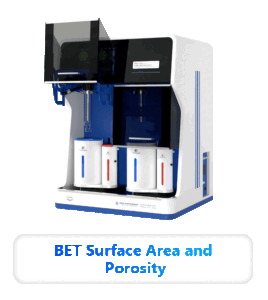
How does the BET surface area analyzer measure pore size distribution?

BET surface area analyzer is a cornerstone technique in materials science for characterizing the surface properties of porous materials. By combining adsorption isotherm measurements with theoretical models, it provides critical insights into both specific surface area and pore size distribution. This article elucidates the principles, procedures, and analytical methods underlying pore size distribution determination using BET analyzers.

1. Theoretical Foundations of BET Analysis

The BET method is rooted in multilayer adsorption theory, which describes how gas molecules adsorb onto a material’s surface in successive layers. At cryogenic temperatures (typically 77 K using liquid nitrogen), nitrogen gas is introduced into the analyzer, and its adsorption behavior is measured under controlled pressures. The BET equation relates the amount of adsorbed gas to the relative pressure (), enabling calculation of the monolayer capacity () and specific surface area:
Here, is a constant related to adsorption heat, and the linear region of the BET plot (vs. ) is used to determine and . The specific surface area is then calculated using the cross-sectional area of nitrogen molecules () and Avogadro’s number .

2. Experimental Workflow

Sample Preparation

  • Degassing: Samples are pretreated under vacuum or inert gas at elevated temperatures (e.g., 200–350°C) to remove physisorbed contaminants like water or hydrocarbons. This step ensures accurate adsorption measurements .
  • Sample Loading: The degassed sample is loaded into a sample cell, which is then sealed and cooled to cryogenic temperatures.

Adsorption Isotherm Measurement

  • Nitrogen Adsorption: The analyzer gradually increases the relative pressure () from 0.05 to 0.995, measuring the equilibrium adsorbed gas volume at each step. This generates an adsorption isotherm, which reflects the material’s pore structure .
  • Desorption Isotherm: After saturation, pressure is decreased to record desorption data, which helps analyze pore filling and emptying mechanisms.

3. Pore Size Distribution Analysis

The BET analyzer employs theoretical modelsto convert adsorption/desorption data into pore size distributions:

Barrett-Joyner-Halenda (BJH) Method

  • Principle: The BJH model uses Kelvin’s equation to relate adsorption isotherms to pore diameters. It assumes cylindrical pores and calculates pore volumes based on capillary condensation at specific values.
  • Application: Primarily used for mesopores (2–50 nm). BJH plots adsorbed volume vs. pore diameter, creating a distribution curve .

Non-Local Density Functional Theory (NLDFT)

  • Advancements: For micropores (<2 nm), BJH underestimates pore volumes due to interactions between adsorbed layers. NLDFT addresses this by incorporating quantum mechanical effects, providing accurate micropore characterization. It is now standardized in ISO 15901-3 .

Data Interpretation

  • Adsorption vs. Desorption: Adsorption isotherms are preferred for pore size analysis to avoid artifacts like the “4 nm spike” caused by desorption hysteresis in composite pore systems .
  • Software Tools: Modern analyzers use software (e.g., Gold APP’s V-Sorb) to automate data fitting, generate pore size histograms, and export reports .

4. Key Applications

  • Catalysts: Evaluating pore structures to optimize active site accessibility .
  • Energy Materials: Analyzing battery electrodes and fuel cells for pore-related performance metrics .
  • Environmental Science: Characterizing adsorbents (e.g., activated carbon) for pollutant removal .

5. Limitations and Considerations

  • Closed Pores: BET cannot assess pores inaccessible from the surface .
  • Sample Requirements: Requires sufficient sample quantity (0.5–6 cm³) and homogeneous particle size .
  • Pressure Range: Accuracy diminishes outside for BET and 2–50 nm for BJH .

Conclusion

The BET surface area analyzer bridges theoretical models and experimental data to decode pore structures with nanometer precision. While BJH remains the workhorse for mesopores, NLDFT and DFT (Density Functional Theory) are revolutionizing micropore analysis. As materials science advances, integrating BET with complementary techniques (e.g., electron microscopy) will further enhance its utility in designing next-generation porous materials.

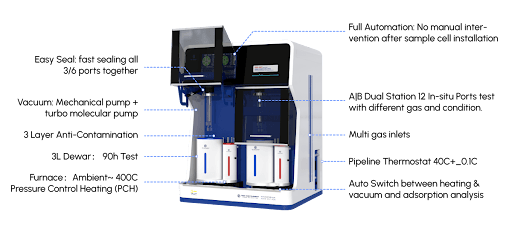
Volumetric Adsorption Analyzer: A Key Tool for Surface Area Measurement

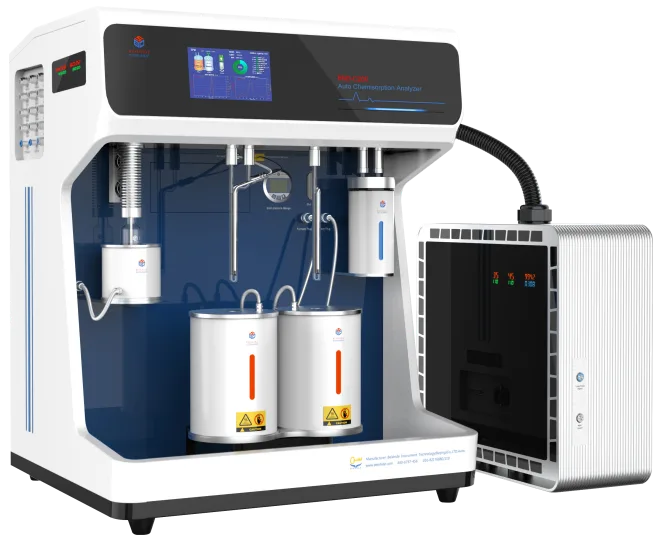
A ​Volumetric Adsorption Analyzer​ is a highly precise scientific instrument used primarily to measure the ​​surface area​​, ​​pore size distribution​​, and ​​porosity​​ of solid materials through the process of ​​gas adsorption​​. It plays a critical role in characterizing materials such as catalysts, nanoparticles, metal-organic frameworks (MOFs), activated carbons, zeolites, and other porous solids.

🔬 What is a Volumetric Adsorption Analyzer?

A volumetric adsorption analyzer operates based on the principle of ​​physisorption​​ or ​​chemisorption​​ — the adhesion of gas molecules onto the surface of a solid material under controlled temperature and pressure conditions.
In most cases, ​​nitrogen (N₂) at liquid nitrogen temperature (77 K or -196°C)​​ is used as the adsorbate gas due to its well-defined molecular cross-sectional area and inert nature.

⚙️ How Does It Work?

The analyzer works by introducing a known volume of gas into a sample cell containing the material whose surface is to be analyzed. The key steps include:
  1. ​Sample Preparation​​:
    • The solid sample is degassed (heated under vacuum) to remove any pre-adsorbed gases or moisture.
  2. ​Adsorption Measurement​​:
    • The sample is cooled (usually to 77 K), and incremental amounts of gas (e.g., N₂) are introduced into the system.
    • The gas pressure is monitored as it equilibrates with the adsorbed phase on the sample surface.
    • The volume of gas adsorbed is measured at various pressures.
  3. ​Data Analysis​​:
    • Using the adsorption isotherm (a plot of the amount of gas adsorbed vs. relative pressure), sophisticated algorithms (like the ​​BET method​​) calculate:
      • ​Specific Surface Area​
      • ​Pore Volume​
      • ​Pore Size Distribution​

🧪 Common Techniques Used

  1. ​BET Surface Area Analysis (Brunauer–Emmett–Teller)​​:
    • Measures ​​specific surface area​​ by analyzing the linear portion of the adsorption isotherm at low relative pressures.
    • Assumes multilayer adsorption of gas molecules.
  2. ​Langmuir Model​​:
    • Models monolayer adsorption; useful for certain non-porous or microporous materials.
  3. ​BJH or DFT Methods​​:
    • Used to determine ​​pore size distribution​​ from the adsorption-desorption isotherms.
    • BJH (Barrett–Joyner–Halenda) is widely used for mesopores.
    • DFT (Density Functional Theory) provides more accurate results across a broader pore size range.

✅ Key Applications

  • ​Catalysis​​: Characterization of catalysts and supports.
  • ​Pharmaceuticals​​: Determination of surface properties of drug carriers.
  • ​Energy Storage​​: Analysis of battery electrodes and supercapacitors.
  • ​Environmental Science​​: Study of adsorbents like activated carbon.
  • ​Materials Science​​: Development and testing of porous materials like MOFs, zeolites, and aerogels.

🎯 Why is Surface Area Important?

  • ​Surface area​​ is directly related to the ​​reactivity​​, ​​adsorption capacity​​, and ​​efficiency​​ of many materials.
  • High surface area often implies greater interaction sites for reactions, adsorption, or catalysis.
  • Precise measurement ensures optimal material design and performance in industrial applications.

🛠️ Features of Modern Volumetric Adsorption Analyzers

  • High precision pressure sensors
  • Automated degassing stations
  • Low-temperature cryostats (for N₂ adsorption at 77 K)
  • Software for advanced data analysis (BET, BJH, DFT)
  • Compatibility with various adsorbates (N₂, Ar, CO₂, etc.)

🏁 Summary

Feature
Description
​Tool Type​
Scientific Instrument
​Primary Function​
Measure surface area, porosity, and pore size
​Common Method​
Gas physisorption (e.g., N₂ at 77 K)
​Key Technique​
BET analysis for surface area
​Applications​
Catalysts, energy materials, pharmaceuticals, environmental science

Efficient Adsorption-Desorption Systems for Water Pollution Control in China​

Water pollution remains one of the most pressing environmental challenges in China, particularly due to rapid industrialization, urbanization, and agricultural activities. Conventional water treatment technologies often involve high operational costs and complex processes, limiting their widespread application, especially in rural and underdeveloped regions. This paper presents the development and evaluation of ​​low-cost and efficient adsorption-desorption systems​​ utilizing locally available, economical materials for the removal and recovery of common water pollutants, including heavy metals, dyes, and nutrients. The proposed systems integrate ​​affordable adsorbent materials​​ (such as biochar, agricultural waste-derived activated carbon, and natural minerals) with ​​regenerable adsorption-desorption cycles​​, aiming to achieve both ​​cost-effectiveness and technical feasibility​​. Experimental results demonstrate that these systems can achieve high adsorption efficiencies (often > 90%) for target pollutants, and the adsorbents can be successfully regenerated through simple desorption processes (e.g., pH adjustment, thermal treatment, or elution), allowing for multiple reuse cycles. The economic analysis indicates that the total treatment cost per cubic meter of polluted water can be reduced significantly compared to conventional methods. This study highlights the potential of such ​​cheap and efficient adsorption-desorption systems​​ to contribute to sustainable water pollution control strategies across China, particularly in areas with limited financial and technical resources.
​Keywords​​: water pollution control, adsorption-desorption, low-cost materials, adsorbent regeneration, biochar, China

​1. Introduction​

Water pollution in China has become a critical issue due to industrial discharges, agricultural runoff, and domestic sewage. Contaminants such as ​​heavy metals (e.g., Pb, Cd, Cr), organic dyes, nitrates, phosphates, and emerging pollutants​​ pose serious risks to ecosystems and human health. While advanced treatment technologies—such as membrane filtration, advanced oxidation, and ion exchange—are effective, they are often ​​costly, energy-intensive, and technically complex​​, making them less accessible, especially in ​​small towns, rural areas, and developing regions of China​​.
​Adsorption technology​​, especially when using ​​low-cost adsorbents​​, has gained increasing attention as a ​​simple, flexible, and economical​​ method for pollutant removal. Moreover, when combined with ​​efficient desorption (regeneration) processes​​, the adsorbents can be reused multiple times, greatly improving the ​​economic viability and sustainability​​ of the system.
This paper introduces and evaluates ​​cheap and efficient adsorption-desorption systems​​ tailored for practical applications in ​​Chinese water pollution scenarios​​. These systems leverage ​​locally sourced, affordable materials​​ and straightforward regeneration techniques to provide an accessible solution for water remediation.

​2. Materials and Methods​

​2.1 Selection of Low-Cost Adsorbents​

Several locally available, low-cost materials were selected and tested, including:
  • ​Biochar derived from agricultural waste​​ (e.g., rice husk, corncob, coconut shell)
  • ​Activated carbon made from orange peel or sawdust​
  • ​Natural zeolite and bentonite clay​
  • ​Iron oxide-modified clay composites​
These materials were chosen based on their ​​abundance, low cost, and promising adsorption potential​​ identified in preliminary studies.

​2.2 Target Pollutants​

The systems were tested for their efficiency in removing:
  • ​Heavy metals​​ (Pb²⁺, Cd²⁺, Cu²⁺)
  • ​Reactive dyes​​ (e.g., methylene blue, Congo red)
  • ​Nutrient pollutants​​ (phosphate, nitrate)

​2.3 Adsorption Experiments​

Batch adsorption experiments were conducted to evaluate:
  • Adsorption capacity (mg/g)
  • Effect of pH, contact time, initial concentration, and adsorbent dosage
  • Kinetics and isotherm modeling (e.g., Langmuir, Freundlich)

​2.4 Desorption and Regeneration​

After adsorption saturation, the adsorbents were subjected to desorption using:
  • ​Acidic or basic solutions​​ (e.g., 0.1 M HCl or NaOH)
  • ​Thermal treatment​​ (e.g., 300–500°C for 2 hours)
  • ​Elution with ethanol or distilled water​
Regenerated adsorbents were reused up to 5 cycles to assess performance stability.

​2.5 Economic Analysis​

A cost comparison was performed between the proposed low-cost system and conventional treatment methods (e.g., activated sludge, chemical precipitation), considering material cost, reusability, operational simplicity, and maintenance.

​3. Results and Discussion​

​3.1 Adsorption Performance​

All tested low-cost adsorbents demonstrated ​​high removal efficiencies​​:
  • Biochar materials removed over ​​90% of Pb²⁺ and methylene blue​​ under optimized conditions.
  • Natural zeolite showed excellent phosphate adsorption capacity (~8–10 mg/g).
  • Modified clay composites effectively removed both heavy metals and organic dyes.
Adsorption was influenced by pH, contact time, and adsorbent dosage. Most systems reached equilibrium within ​​60–120 minutes​​.

​3.2 Adsorption Isotherms and Kinetics​

Experimental data fitted well with the ​​Langmuir isotherm​​ (indicating monolayer adsorption) and ​​pseudo-second-order kinetics​​, suggesting chemisorption as the dominant mechanism.

​3.3 Desorption and Regeneration Efficiency​

  • ​Acid washing (HCl)​​ was highly effective for regenerating metal-loaded adsorbents.
  • ​Alkaline solutions (NaOH)​​ worked well for dye-loaded systems.
  • ​Thermal regeneration​​ was suitable for organic-contaminated adsorbents, though it may increase operational cost slightly.
Most adsorbents retained ​​> 80% of their original capacity after 3–5 regeneration cycles​​, confirming their potential for long-term use.

​3.4 Economic and Practical Feasibility​

The estimated treatment cost of the proposed system ranged between ​0.50 per cubic meter​​, depending on the adsorbent type and pollution load—significantly lower than conventional methods (often 5.00/m³). Additionally, the use of ​​locally available materials​​ and ​​simple operation procedures​​ enhances its suitability for ​​rural and industrial applications across China​​.

​4. Conclusion​

This study demonstrates that ​​cheap and efficient adsorption-desorption systems​​ can play a vital role in addressing water pollution challenges in China. By using ​​low-cost, locally sourced adsorbents​​ such as biochar, agricultural waste derivatives, and natural minerals—coupled with simple yet effective desorption strategies—these systems offer a ​​sustainable, economical, and scalable​​ approach to water remediation.
The ability to ​​regenerate adsorbents through desorption​​ not only reduces material consumption but also improves the ​​economic feasibility​​ of long-term operation. Future work should focus on ​​pilot-scale testing, system integration, and policy support​​ to facilitate large-scale adoption across different regions in China.

Gas Adsorption Analyzer Technologies: Advancements and Future Trends

​Gas adsorption analyzers are essential instruments used to characterize the surface area, porosity, and pore size distribution of materials, particularly porous solids such as catalysts, metal-organic frameworks (MOFs), activated carbons, zeolites, and nanomaterials. These devices primarily operate based on physical adsorption principles, most notably the Brunauer–Emmett–Teller (BET) method for surface area analysis and various models for pore size determination (e.g., BJH, DFT, HK).
Over the years, gas adsorption analyzer technologies have undergone significant advancements to improve accuracy, measurement range, automation, and usability. Below is an overview of key technological developments and future trends in this field.

​I. Current Key Technologies in Gas Adsorption Analysis​

1. ​​Static Volumetric Method​

  • ​Principle​​: Measures the volume of gas adsorbed onto a sample at a constant temperature (usually liquid nitrogen temperature, 77 K) by detecting pressure changes in a closed system.
  • ​Strengths​​: High accuracy for surface area and micropore analysis; widely accepted and standardized.
  • ​Limitations​​: Slower analysis time; requires precise pressure sensors and vacuum systems.

2. ​​Dynamic (Flow) Method​

  • ​Principle​​: Measures adsorption in a continuous gas flow system, often using a carrier gas (e.g., helium or nitrogen) and an adsorptive gas (e.g., nitrogen or argon).
  • ​Strengths​​: Faster analysis; suitable for quality control and routine measurements.
  • ​Limitations​​: Less accurate for detailed pore structure characterization compared to static methods.

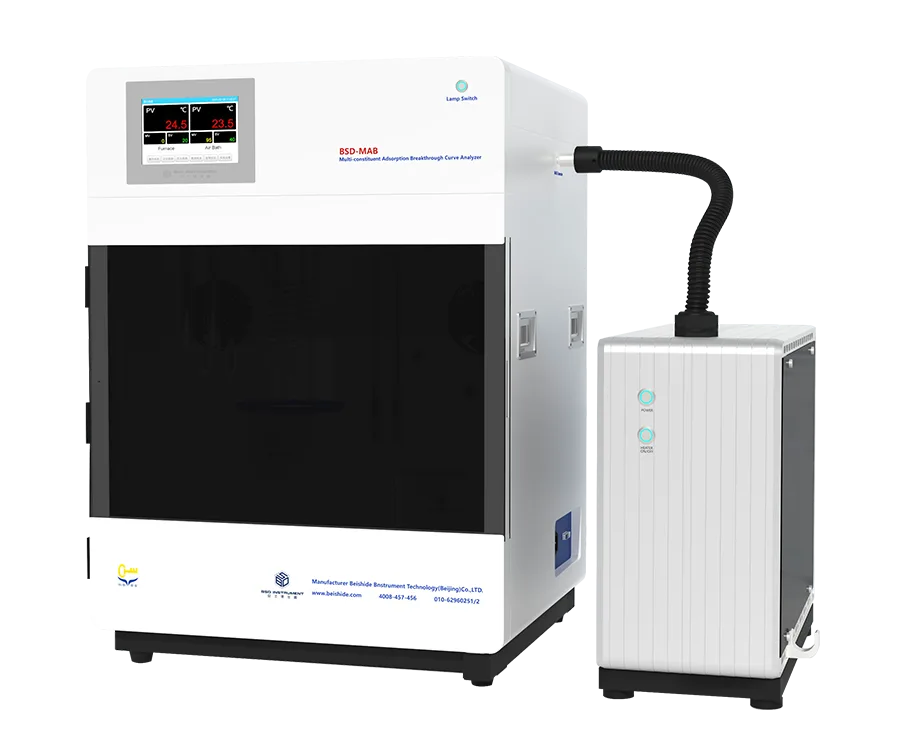
3. ​​Multi-Gas and Multi-Component Adsorption​

  • Recent systems allow analysis using different adsorptives (e.g., N₂, Ar, CO₂, H₂, CH₄) to gain insights into material behavior under varying conditions or for specific applications (e.g., CO₂ capture, hydrogen storage).
  • Enables temperature-variable studies (e.g., using cryogenic fluids other than liquid nitrogen).

4. ​​Advanced Data Analysis Models​

  • Utilization of sophisticated theoretical models such as:
    • ​Density Functional Theory (DFT)​​: More accurate pore size distribution, especially for micropores and mesopores.
    • ​Horvath-Kawazoe (HK)​​: Primarily for micropore analysis.
    • ​Quantachrome’s ASAP or Micromeritics’ Tristar/BET series​​, which integrate advanced software for data interpretation.

​II. Technological Advancements​

1. ​​High-Throughput and Automation​

  • Modern analyzers support automated sample preparation, degassing, and sequential analysis of multiple samples with minimal user intervention.
  • Integration with robotic arms and sample changers enhances throughput in industrial and research labs.

2. ​​Improved Pressure and Temperature Control​

  • High-precision pressure transducers (down to sub-Pa ranges) and advanced vacuum systems enable accurate detection of very low adsorption quantities.
  • Enhanced temperature regulation ensures consistency, especially for experiments requiring cryogenic conditions.

3. ​​Expanded Analytical Range​

  • Ability to measure ultra-high surface areas (> 10,000 m²/g) and characterize nano-scale pores (< 1 nm) with greater reliability.
  • Some systems now offer analysis at elevated temperatures (e.g., for studying materials under operational conditions).

4. ​​Integration with Other Techniques​

  • Coupling gas adsorption analyzers with techniques like ​​Mercury Intrusion Porosimetry (MIP)​​, ​​X-ray Diffraction (XRD)​​, or ​​Scanning Electron Microscopy (SEM)​​ provides comprehensive material characterization.
  • Hybrid systems or data fusion approaches are emerging for multidimensional material analysis.

5. ​​Green and Sustainable Practices​

  • Efforts to reduce helium consumption (a limited resource) by using alternative carrier gases or improving system efficiency.
  • Energy-efficient vacuum pumps and sustainable cooling methods are being explored.

​III. Emerging and Future Trends​

1. ​​In-Situ and Operando Adsorption Analysis​

  • ​In-situ​​ adsorption measurements under real reaction conditions (e.g., during catalysis or gas separation) are gaining interest.
  • ​Operando​​ techniques combine adsorption analysis with spectroscopic or diffraction tools to monitor dynamic changes in material properties during gas interactions.

2. ​​Microfluidics and Miniaturization​

  • Development of compact, portable gas adsorption devices for field applications, quality control, or point-of-use material screening.
  • Microfluidic platforms may enable rapid, low-sample-volume adsorption measurements.

3. ​​Machine Learning and AI in Data Analysis​

  • AI algorithms are being explored to enhance data interpretation, model selection, and prediction of material performance based on adsorption isotherms.
  • Smart software can auto-detect anomalies, suggest optimal analysis conditions, and accelerate R&D cycles.

4. ​​Broader Gas Compatibility and Environmental Applications​

  • Analysis of adsorption behavior with gases like ​​hydrogen (H₂)​​, ​​methane (CH₄)​​, ​​carbon dioxide (CO₂)​​, and ​​volatile organic compounds (VOCs)​​ for energy storage, environmental monitoring, and gas separation applications.
  • Focus on ​​CO₂ capture and sequestration​​, ​​hydrogen economy​​, and ​​air purification​​ drives specialized analyzer development.

5. ​​User-Friendly Interfaces and Cloud-Based Data Management​

  • Modern systems increasingly feature intuitive graphical interfaces, touchscreen controls, and remote monitoring capabilities.
  • Cloud integration allows secure data sharing, collaboration, and real-time analytics across global research teams.

​IV. Applications Driving Innovation​

  • ​Energy Storage​​: Hydrogen and methane adsorption for next-gen fuel cells and storage solutions.
  • ​Catalysis​​: Understanding active sites and surface interactions.
  • ​Environmental Science​​: CO₂ capture, air filtration, and pollution control materials.
  • ​Pharmaceuticals & Healthcare​​: Characterization of drug carriers and porous excipients.
  • ​Nanotechnology​​: Tailoring nanostructured materials for electronics, sensors, and separations.

​V. Conclusion​

Gas adsorption analyzer technologies have evolved from basic volumetric instruments to highly sophisticated, automated, and multifunctional systems capable of providing deep insights into material properties at the nanoscale. Future trends point toward greater integration with other analytical techniques, real-time in-situ measurements, AI-enhanced data analysis, and expanded use in sustainable and high-impact applications.
As industries and researchers continue to push the boundaries of material science, gas adsorption analysis will remain a cornerstone technique—supported by ongoing innovation in hardware design, software intelligence, and measurement science.

Micropore and Mesopore Analysis for Improving Gas Storage and Separation Efficiency

​Gas storage and separation are critical processes in industries such as energy, environmental protection, and chemical manufacturing. Efficient gas storage technologies are essential for applications like hydrogen fuel cells, natural gas vehicles (NGVs), and carbon capture and storage (CCS). Similarly, gas separation is vital for producing high-purity gases, removing pollutants, and upgrading biogas or flue gas. One of the most effective ways to enhance these processes is through the use of porous materials with tailored pore structures — particularly ​​micropores​​ and ​​mesopores​​.
Understanding and optimizing the ​​micropore and mesopore structure​​ of materials is key to improving their performance in gas adsorption and separation. This involves detailed ​micropore and mesopore analysis​, which provides insights into how gases interact with the material at the molecular level.

1. ​​Pore Size Classification​

Pores in materials are categorized based on their diameter:
  • ​Micropores​​: < 2 nm
  • ​Mesopores​​: 2 – 50 nm
  • ​Macropores​​: > 50 nm
For gas storage and separation, ​​micropores and mesopores​​ are especially important:
  • ​Micropores​​ provide high surface area and enable strong interactions between gas molecules and pore walls, which is ideal for ​​high-capacity adsorption​​.
  • ​Mesopores​​ facilitate ​​diffusion and accessibility​​, allowing gases to enter and exit the material efficiently.

2. ​​Importance in Gas Storage​

a. ​​Physical Adsorption Mechanism​

Gas storage via ​​physical adsorption​​ relies on weak van der Waals forces between gas molecules and the internal surfaces of porous materials. Microporous materials, such as ​​activated carbons, zeolites, metal-organic frameworks (MOFs), and covalent organic frameworks (COFs)​​, are widely used because of their high surface area and narrow pores that can trap gas molecules at relatively low pressures and temperatures.
  • ​High microporosity​​ → High surface-to-volume ratio → Enhanced gas uptake per unit mass or volume.
  • Example: MOFs like ​​MOF-5​​ or ​​HKUST-1​​ have shown exceptional methane and hydrogen storage capacities due to their microporous architectures.

b. ​​Optimizing Pore Size for Specific Gases​

Different gases (e.g., H₂, CH₄, CO₂) have varying molecular sizes. Matching the ​​pore size distribution​​ to the kinetic diameter of the target gas improves selectivity and storage capacity.
  • ​Hydrogen (H₂, ~0.29 nm)​​: Best stored in ultramicropores (< 0.7 nm).
  • ​Methane (CH₄, ~0.38 nm)​​: Fits well in micropores (~0.5–1.0 nm).
  • ​Carbon dioxide (CO₂, ~0.33 nm)​​: Can be selectively adsorbed in micropores over larger molecules like N₂ or CH₄.

3. ​​Importance in Gas Separation​

Gas separation often relies on differences in ​​adsorption affinity, diffusivity, or molecular size​​. Microporous and mesoporous materials can separate gas mixtures based on:
  • ​Kinetic separation​​ (differences in diffusion rates)
  • ​Thermodynamic separation​​ (differences in adsorption equilibrium)
  • ​Molecular sieving​​ (blockage of larger molecules by small pores)

Common Applications:

  • ​CO₂ capture from flue gas (N₂/CO₂ separation)​
  • ​O₂/N₂ separation for medical or industrial use​
  • ​H₂ purification​
  • ​CH₄/CO₂ or CH₄/N₂ separation in biogas upgrading​
​Microporous materials like zeolites, MOFs, and porous carbons​​ are engineered to selectively adsorb one gas over another based on size and polarity. Mesopores aid in improving mass transport, ensuring that the adsorbent is not limited by slow diffusion.

4. ​​Micropore and Mesopore Analysis Techniques​

To optimize gas storage and separation, precise knowledge of the ​​pore size distribution, surface area, and pore volume​​ is essential. The following analytical techniques are commonly used:

a. ​​Gas Adsorption Analysis (BET & t-Plot Methods)​

  • ​Brunauer–Emmett–Teller (BET) method​​: Measures ​​specific surface area​​, mainly from nitrogen adsorption at 77 K.
  • ​t-Plot or αₛ-method​​: Differentiates between ​​micropore, mesopore, and external surface area​​.

b. ​​Micropore Analysis​

  • ​Determination of micropore volume and distribution​​ is performed using:
    • ​Dubinin–Astakhov (DA) or Dubinin–Radushkevich (DR) methods​​ (for microporous carbons)
    • ​Horváth–Kawazoe (HK) method​​ (for narrow micropores in zeolites and MOFs)
  • ​Low-pressure N₂ or CO₂ adsorption​​ helps characterize pores < 2 nm.

c. ​​Mesopore Analysis​

  • ​Barrett–Joyner–Halenda (BJH) method​​ is applied to analyze mesopore size distribution using desorption branches of isotherms.
  • ​Mesopores contribute to faster diffusion​​ and accessibility of active sites inside the material.

d. ​​Advanced Techniques​

  • ​Small-angle X-ray scattering (SAXS)​​ and ​​small-angle neutron scattering (SANS)​​ for structural insight.
  • ​Transmission electron microscopy (TEM)​​ for visualizing pore architecture.
  • ​Molecular simulation (Monte Carlo, DFT)​​ to predict gas adsorption behavior in model pore structures.

5. ​​Material Design Strategies Based on Pore Analysis​

By understanding the pore structure through micropore and mesopore analysis, researchers can:
  • ​Tailor pore size​​ to match the target gas molecule.
  • ​Optimize pore volume​​ to maximize gas uptake.
  • ​Enhance selectivity​​ by creating molecular sieves or preferential adsorption sites.
  • ​Improve mass transport​​ by balancing micropores (storage) and mesopores (access).
  • ​Functionalize pore surfaces​​ (e.g., with polar groups) to enhance interactions with specific gases like CO₂ or H₂O.
Examples:
  • ​MOFs​​ can be synthesized with uniform pore sizes for precise gas separation.
  • ​Activated carbons​​ are tailored via activation processes to adjust porosity.
  • ​Zeolites​​ are ion-exchanged or modified to alter pore geometry and adsorption behavior.

6. ​​Case Studies​

a. ​​Hydrogen Storage​

  • ​MOF-177​​ has an ultra-high surface area (~4500 m²/g) and microporous structure, enabling significant H₂ uptake at cryogenic temperatures.
  • Analysis via ​​N₂ and H₂ adsorption isotherms​​ reveals the contribution of micropores to storage capacity.

b. ​​CO₂ Capture​

  • ​Zeolite 13X and Mg-MOF-74​​ show high CO₂ adsorption due to favorable pore sizes and strong interactions.
  • ​CO₂/N₂ selectivity​​ is evaluated by comparing adsorption isotherms and analyzing micropore contributions.

c. ​​Biogas Upgrading (CH₄/CO₂ Separation)​

  • ​Porous carbons and MOFs​​ with optimized microporosity selectively adsorb CO₂ over CH₄, improving CH₄ purity for fuel use.

7. ​​Conclusion​

​Micropore and mesopore analysis​​ is a fundamental tool for designing advanced porous materials used in ​​gas storage and separation applications​​. By precisely characterizing and controlling pore size, volume, and distribution, researchers can develop materials with enhanced:
  • ​Storage capacity​
  • ​Selectivity​
  • ​Adsorption kinetics​
  • ​Overall efficiency​
Continued advancements in ​​characterization techniques, computational modeling, and material synthesis​​ will further enable the design of next-generation adsorbents tailored for specific gas-related applications, contributing to sustainable energy solutions and cleaner environments.

Membrane Porosity and Its Impact on Mass Transport and Permeation Efficiency

Membrane technology has emerged as a cornerstone in separation processes across diverse industries, including water treatment, gas purification, pharmaceuticals, and energy applications. A critical parameter governing membrane performance is porosity—the fraction of void space within the membrane matrix—which directly influences mass transport mechanisms and permeation efficiency. This article explores the fundamental relationship between membrane porosity and its impact on molecular transport, highlighting how porosity characteristics (pore size distribution, connectivity, and tortuosity) dictate flux rates, selectivity, and overall process efficiency. By examining theoretical frameworks, experimental evidence, and practical applications, we elucidate the design principles for optimizing membrane porosity to achieve desired separation performance.

1. Introduction

Membranes function as selective barriers that separate components of a mixture based on differences in physical or chemical properties (e.g., size, charge, solubility). The efficiency of this separation hinges on the membrane’s internal architecture, with porosity being a pivotal structural feature. Porosity not only determines the available pathways for mass transport but also governs the interactions between permeating species and the membrane matrix. From reverse osmosis (RO) for desalination to gas separation membranes for carbon capture, understanding and controlling porosity is essential for tailoring membrane performance to specific application requirements.
This article systematically analyzes how porosity affects mass transport phenomena (diffusion, convection, and dissolution) and permeation efficiency (flux and selectivity). We begin by defining membrane porosity and its key structural parameters, followed by an exploration of theoretical models linking porosity to transport mechanisms. Practical implications are then discussed through case studies in water purification, gas separation, and biomedical applications, concluding with insights into design strategies for advanced membrane systems.

2. Defining Membrane Porosity: Structural Parameters and Classification

2.1 Fundamental Definitions

Membrane porosity () is mathematically expressed as the ratio of the total void volume () to the bulk membrane volume ():
Typical porosity values range from 30% to 80%, depending on the membrane type (e.g., microfiltration [MF] membranes may have , while dense gas separation membranes exhibit ).

2.2 Key Structural Parameters

The functional impact of porosity is mediated by three interconnected structural characteristics:
  1. ​Pore Size Distribution (PSD)​​: The range and frequency of pore diameters (from nanometers to micrometers) determine which species can physically pass through the membrane. For example, MF membranes (pores > 0.1 μm) retain bacteria but allow water and dissolved salts to pass, whereas ultrafiltration (UF) membranes (pores 0.01–0.1 μm) separate macromolecules.
  2. ​Pore Connectivity​​: The degree to which pores are interconnected influences the accessibility of transport pathways. Highly connected pores facilitate continuous flow channels, reducing flow resistance, whereas isolated pores create dead-end spaces that limit permeation.
  3. ​Tortuosity ()​​: A dimensionless parameter describing the deviation of pore pathways from a straight line (ideal case, ). Higher tortuosity (e.g., in dense organic membranes) increases the effective path length for transport, thereby reducing flux. Tortuosity is inversely related to the membrane’s structural order (e.g., anisotropic membranes like asymmetric polymeric films exhibit lower tortuosity in their porous support layer).

2.3 Classification of Membranes by Porosity

Membranes are broadly categorized based on their pore structure:
  • ​Microporous Membranes​​ (pores < 2 nm): Dominated by Knudsen diffusion or molecular sieving (e.g., zeolite membranes for hydrogen separation).
  • ​Mesoporous Membranes​​ (2 nm < pores < 50 nm): Balance between size exclusion and surface interactions (e.g., metal-organic frameworks [MOFs] for CO₂ capture).
  • ​Macroporous Membranes​​ (pores > 50 nm): Primarily governed by convective flow (e.g., ceramic MF membranes for particulate removal).

3. Theoretical Foundations: How Porosity Influences Mass Transport

Mass transport through membranes occurs via three primary mechanisms, each modulated by porosity:

3.1 Knudsen Diffusion (Dominant in Microporous Membranes)

In narrow pores (diameter comparable to gas molecule mean free path), molecules collide more frequently with pore walls than with each other. The diffusivity () is inversely proportional to pore diameter () and porosity:
Higher porosity and larger pores enhance diffusivity, but excessive porosity may reduce selectivity by allowing multiple gas species to co-permeate.

3.2 Molecular Sieving (Size-Exclusion Mechanism)

For pores smaller than the target molecule (e.g., zeolites with 0.3 nm pores separating H₂ from CH₄), transport occurs only if the molecule fits through the pore. Porosity here refers to the fraction of accessible sieve sites, and uniform pore size distribution is critical to avoid non-selective bypass.

3.3 Viscous Flow and Poiseuille’s Law (Macroporous Membranes)

In coarse pores (e.g., MF/UF membranes), fluid flow is driven by pressure gradients, with flux () following Poiseuille’s law:
where is the transmembrane pressure, is fluid viscosity, and is membrane thickness. Higher porosity and larger pores increase flux linearly, but trade-offs with mechanical strength and fouling resistance must be considered.

3.4 Solution-Diffusion Model (Dense Membranes)

For dense polymeric membranes (e.g., RO for water desalination), permeation involves dissolution of solutes into the membrane matrix followed by diffusion. Porosity in this context refers to the free volume between polymer chains, which affects solubility () and diffusivity ():
where is the permeability coefficient. Higher free volume (analogous to porosity) enhances diffusivity but may reduce selectivity if solute-solvent interactions dominate.

4. Practical Impacts on Permeation Efficiency

The interplay between porosity and transport mechanisms directly determines two key performance metrics:

4.1 Flux (Permeation Rate)

Flux () is the volume or mass of permeate passing through a unit area of membrane per unit time. Empirical and theoretical studies consistently show that flux increases with porosity due to reduced flow resistance. For example, in UF membranes, increasing porosity from 50% to 70% can boost water flux by 2–3× under identical pressure conditions. However, excessive porosity may lead to:
  • ​Fouling​​: Larger pores trap more foulants (e.g., colloids, organic matter), reducing long-term flux.
  • ​Mechanical Weakness​​: High porosity often correlates with lower tensile strength, limiting membrane durability.

4.2 Selectivity (Separation Efficiency)

Selectivity () quantifies the membrane’s ability to preferentially permeate one component over another (e.g., for hydrogen purification). Porosity influences selectivity through:
  • ​Size Exclusion​​: Narrow, uniformly distributed pores (low tortuosity) enhance size-based separation (e.g., RO membranes with dense, defect-free matrices reject > 99% of NaCl).
  • ​Competitive Transport​​: In mixed-matrix membranes (e.g., polymers blended with nanoparticles), optimized porosity ensures balanced solubility and diffusion for target species.
​Case Study​​: In gas separation, ceramic membranes with bimodal porosity (micropores for molecular sieving + mesopores for mass transfer) achieve CO₂/N₂ selectivities > 50 at high fluxes, outperforming homogeneous dense membranes.

5. Design Strategies for Optimizing Porosity

To achieve desired performance, membrane engineers employ targeted strategies to control porosity:

5.1 Material Selection

  • ​Polymers​​: Phase inversion techniques (e.g., immersion precipitation) adjust porosity by tuning solvent/non-solvent ratios (e.g., cellulose acetate RO membranes with 40–60% porosity).
  • ​Ceramics​​: Sintering temperature and particle size distribution govern pore formation (e.g., alumina MF membranes with 70% porosity and 0.1–10 μm pores).
  • ​Composites​​: Hybrid materials (e.g., graphene oxide-polymer blends) introduce hierarchical porosity (macropores for flow + nanochannels for selectivity).

5.2 Fabrication Techniques

  • ​Template-Assisted Synthesis​​: Using sacrificial templates (e.g., polystyrene beads) to create ordered pore arrays (e.g., mesoporous silica with 2–5 nm pores).
  • ​Electrospinning​​: Produces nanofibrous membranes with high porosity (> 80%) and interconnected pores for air filtration.
  • ​Anodization​​: Forms self-organized nanopores (e.g., TiO₂ membranes with 20–100 nm pores for photocatalytic applications).

5.3 Post-Treatment

  • ​Chemical Etching​​: Expands pore size (e.g., increasing MF membrane porosity from 60% to 75% via NaOH treatment).
  • ​Compression Molding​​: Reduces tortuosity by aligning polymer chains (e.g., enhancing dense membrane diffusivity).

6. Conclusion

Membrane porosity is a multifaceted parameter that dictates the fundamental mechanisms of mass transport and permeation efficiency. By controlling pore size distribution, connectivity, and tortuosity, engineers can tailor membranes for specific applications—whether maximizing flux in water purification, achieving ultrahigh selectivity in gas separation, or balancing biocompatibility in biomedical devices. Future advancements in nanofabrication and computational modeling (e.g., machine learning for pore structure optimization) will further unlock the potential of porous membranes, driving innovation in sustainable separation technologies.

Recent Advances in Adsorption Isotherm Theory and Its Practical Applications in Nanomaterials

​Abstract​

Adsorption isotherm theory is a fundamental concept in surface and materials science, describing the equilibrium relationship between the amount of adsorbate on an adsorbent surface and its concentration in the surrounding environment at constant temperature. Over recent years, significant theoretical advancements have been made to improve the accuracy, adaptability, and predictive power of adsorption models, particularly in complex systems involving nanomaterials. Nanomaterials, with their high surface-to-volume ratios and tunable surface properties, have emerged as superior adsorbents for environmental remediation, catalysis, gas storage, and separation processes. This article reviews the latest developments in adsorption isotherm theories, including modifications to classical models and the introduction of new theoretical frameworks. Furthermore, it highlights practical applications of these advances in understanding and optimizing adsorption processes using various nanomaterials such as metal–organic frameworks (MOFs), carbon nanotubes (CNTs), graphene oxide (GO), and nanostructured oxides. The synergy between refined isotherm models and advanced nanomaterials provides powerful tools for designing efficient adsorption-based technologies.

​1. Introduction​

Adsorption is a surface phenomenon where molecules (adsorbates) accumulate on the surface of a solid or liquid (adsorbent) due to attractive forces. The adsorption isotherm quantitatively describes how much adsorbate can be bound to an adsorbent as a function of its equilibrium concentration in the bulk phase, at a fixed temperature. Accurate modeling of adsorption isotherms is essential for predicting adsorption capacity, understanding surface interactions, and optimizing adsorption-based applications.
Traditional adsorption isotherm models—such as the Langmuir, Freundlich, and BET (Brunauer–Emmett–Teller) models—have long served as the cornerstone of adsorption studies. However, the advent of nanomaterials with unique structural and chemical properties has revealed limitations in these classical models, prompting researchers to develop more sophisticated and flexible theoretical frameworks. These advances are critical for accurately describing adsorption behavior on nanostructured surfaces, which often feature heterogeneous binding sites, multilayer adsorption, and complex interactions.

​2. Recent Advances in Adsorption Isotherm Theory​

​2.1. Refinement of Classical Models​

Recent research has focused on modifying classical isotherm models to better fit experimental data obtained from nanomaterials:
  • ​Modified Langmuir Model​​: Incorporates factors like lateral interactions between adsorbed molecules, surface heterogeneity, and adsorbate size effects.
  • ​Freundlich Model Enhancements​​: Adjustments allow for better description of heterogeneous and multi-layer adsorption on nano-surfaces with non-uniform energy distribution.
  • ​Sips and Toth Models​​: Introduced to address heterogeneous surface adsorption with a more flexible mathematical form, combining features of both Langmuir and Freundlich models.
These refinements help capture the nuanced behavior of adsorption on nanomaterials, where traditional assumptions of monolayer adsorption or uniform site energy may not hold.

​2.2. Emergence of Advanced and Hybrid Models​

New theoretical approaches have been developed to address the complexity of nanomaterial adsorption systems:
  • ​Redlich–Peterson Model​​: A hybrid of Langmuir and Freundlich, offering a more generalized form with an empirical parameter that improves fitting versatility.
  • ​Dubinin–Radushkevich (DR) and Dubinin–Astakhov Models​​: Useful for describing microporous adsorption, especially in nanoporous materials like activated carbons and MOFs.
  • ​Temkin Isotherm​​: Accounts for adsorbate-adsorbent interactions and heat of adsorption variation across the surface, valuable for nano-adsorbents with temperature-sensitive binding.
  • ​Quantum and Statistical Mechanical Models​​: Emerging computational models based on density functional theory (DFT) and molecular simulations provide molecular-level insights into adsorption mechanisms on nanostructured surfaces.

​2.3. Multicomponent and Competitive Adsorption Models​

With increasing interest in real-world applications—such as water purification where multiple contaminants coexist—researchers have developed multicomponent isotherm models, including:
  • ​Extended Langmuir and Ideal Adsorbed Solution Theory (IAST)​
  • ​Competitive Freundlich Models​
  • ​Statistical Thermodynamic Approaches​
These models enable the prediction of competitive adsorption behavior, essential for designing selective nanomaterial adsorbents.

​3. Practical Applications in Nanomaterials​

The synergy between advanced isotherm theories and cutting-edge nanomaterials has led to transformative progress in adsorption-based technologies. Below are key nanomaterial categories and their associated applications:

​3.1. Metal–Organic Frameworks (MOFs)​

MOFs are highly porous crystalline materials with tunable pore sizes and functionalized surfaces. Advanced isotherm models have been crucial in:
  • Quantifying high-capacity adsorption of CO₂, CH₄, H₂, and volatile organic compounds (VOCs)
  • Understanding the effect of pore geometry and functional groups on adsorption affinity
  • Designing MOFs for selective gas separation and storage

​3.2. Carbon-Based Nanomaterials (e.g., Graphene Oxide, Carbon Nanotubes)​

Graphene oxide (GO) and carbon nanotubes (CNTs) offer large surface areas and abundant oxygen-containing functional groups. Isotherm studies have facilitated:
  • Heavy metal ion adsorption (e.g., Pb²⁺, Cd²⁺, As(V))
  • Organic pollutant removal (dyes, pharmaceuticals, pesticides)
  • Insights into π–π stacking, hydrophobic interactions, and electrostatic adsorption mechanisms

​3.3. Nanostructured Metal Oxides (e.g., TiO₂, Fe₃O₄, ZnO, MnO₂)​

These materials are widely used in environmental and catalytic applications. Recent isotherm models help elucidate:
  • Adsorption of arsenic, fluoride, phosphates, and other inorganic contaminants
  • Surface charge-dependent adsorption influenced by pH and oxidation state
  • Synergistic effects in composite nanomaterials (e.g., GO-MOF or CNT-metal oxide hybrids)

​3.4. Polymer-Based and Composite Nanomaterials​

Hybrid nanocomposites combining polymers with nanoparticles or carbon materials have tailored adsorption properties. Isotherm models aid in:
  • Optimizing adsorption capacity and selectivity
  • Understanding polymer–nanoparticle interactions and diffusion-controlled processes
  • Designing smart adsorbents responsive to external stimuli (pH, temperature, light)

​4. Future Perspectives​

The future of adsorption isotherm theory and nanomaterial applications lies at the intersection of theory, computation, and experiment. Key trends include:
  • ​Machine Learning Integration​​: Using AI to predict adsorption behavior and optimize isotherm model parameters.
  • ​High-Throughput Experimental Data Analysis​​: Coupling automated adsorption experiments with advanced modeling for rapid material screening.
  • ​Molecular Modeling and Simulation​​: Combining DFT, Monte Carlo, and molecular dynamics (MD) simulations with empirical isotherm models for comprehensive understanding.
  • ​Sustainable and Green Adsorbents​​: Designing low-cost, biodegradable nanomaterials with predictable adsorption performance using refined isotherm frameworks.

​5. Conclusion​

The continuous evolution of adsorption isotherm theory has significantly enhanced our ability to understand, predict, and optimize the adsorption behavior of nanomaterials. From classical models to machine-learning-assisted frameworks, these theoretical advances provide deeper insights into surface interactions, adsorption mechanisms, and material design. When applied to cutting-edge nanomaterials such as MOFs, graphene derivatives, and nano-oxides, these models enable the development of highly efficient, selective, and sustainable adsorption technologies. Future interdisciplinary efforts will further bridge the gap between fundamental science and real-world applications, paving the way for innovative solutions in environmental protection, energy storage, healthcare, and beyond.